Validated Niche
💄

Beauty & Skincare

Science-Backed Skincare, Proven Market Demand

83
Niche Score
💰
52% Profit Margin
⚔️
Medium Competition
🔥
Rising Trend
🌍
$75+ B Market Size
🎯
75/100 SEO Score
Evergreen Demand
2.5B Audience
Real Market Data
Pre-Validated Products
83
Excellent Opportunity
💰 Profitability
85
⚔️ Competition
55
📈 Demand
90
🚀 Scalability
86
🚧 Entry Barrier
52
🔥
Rising Trend

K-Beauty is experiencing explosive global growth driven by social media discovery, ingredient innovation, and shifting consumer preferences toward science-backed, gentle skincare.

The K-Beauty (Korean Beauty) niche represents a revolutionary approach to skincare that emphasizes multi-step routines, innovative ingredients, and science-backed formulations. This niche focuses on preventative care, skin health, and achieving the coveted “glass skin” look through hydration and gentle, effective products. K-Beauty has transcended trend status to become a permanent fixture in global beauty markets, with Western consumers increasingly adopting Korean skincare philosophies and products.

🌍 $75+ B Market Size
📊 10.5% Growth Rate
🛒 $95 Avg Order Value
💵 52% Profit Margin
👥 2.5B Audience Size
📅 Evergreen Seasonality

👫 Target Audience

Who buys in this niche

👤

Demographics

Age: 18-45 years old (Primary: 25-35 years old)

Gender: 70% Female, 30% Male (men’s segment growing rapidly)

Location: Global with strongest markets in South Korea, Singapore, Hong Kong, Australia, United States, United Kingdom, Canada, and Slovakia. High adoption in Asia-Pacific (45%), North America (25%), Europe (20%), and Rest of World (10%).

Income Level: Middle to upper-middle class, $40,000-$100,000+ annually. Willing to invest in premium skincare products and complete routine systems.

🧠

Psychographics

nterests: Beauty and skincare routines, K-pop and Korean culture, social media beauty content (TikTok, Instagram, YouTube), wellness and self-care practices, ingredient research and product education, following beauty influencers and dermatologists, trying new skincare innovations and trends.

Values: Science-backed and evidence-based products, authenticity and transparency in ingredient sourcing, quality over quantity, preventative care and long-term skin health, cruelty-free and ethical beauty practices, education and informed purchasing decisions, self-investment and personal wellness.

Lifestyle: Early adopters of beauty trends, digitally connected and active on social media, research-oriented shoppers who read reviews and watch tutorials, privacy-conscious consumers who prefer discreet online shopping, willing to commit to multi-step routines (10-step regimen culture), community-oriented and shares experiences with like-minded enthusiasts, invests time and money in self-care rituals, follows beauty content creators for inspiration and education.

😓

Pain Points

Skin Concerns: Acne, breakouts, and blemishes that affect confidence, hyperpigmentation and uneven skin tone, visible signs of aging including fine lines and wrinkles, dry and dehydrated skin, oily and combination skin management, sensitive skin reactions to harsh products, enlarged pores and texture issues, dark circles and under-eye concerns.

Product Frustrations: Overwhelmed by too many product options and conflicting advice, difficulty finding products that actually deliver visible results, tired of expensive treatments with minimal improvement, seeking gentler alternatives to harsh Western skincare formulations, wanting medical-grade results without invasive procedures or dermatologist visits, struggling to understand ingredient lists and what actually works.

Shopping Challenges: Desire for unique, effective “insider” beauty secrets not available in mainstream stores, need for science-backed products with proven efficacy, seeking authentic Korean products versus knockoffs, privacy concerns when purchasing skincare (prefer discreet online shopping), wanting personalized recommendations for specific skin types and concerns, looking for education and guidance on proper product usage and routine building.

🛍️

Buying Behavior

Purchase Patterns: High engagement with tutorial and educational content before purchasing, heavily influenced by before-and-after transformation photos and video reviews, prefers buying in bundles for complete routine sets rather than single products, average order value of $80-$150 per transaction, strong repeat purchase rate of 65-75% due to consumable nature of products.

Decision-Making Process: Research-intensive shoppers who read multiple reviews and watch tutorials, follows beauty influencers and dermatologists for product recommendations, takes 3-7 days to research before first purchase, seeks ingredient breakdowns and scientific evidence, compares products across multiple brands, values peer reviews and user-generated content over branded advertising.

Shopping Frequency: Initial purchase within 7-14 days of discovery, repurchases every 30-60 days for consumable products, tries new products quarterly to expand routine, subscribes to monthly boxes for convenience and discovery, shops more during promotional periods and new product launches.

Spending Habits: Willing to pay premium prices for quality and proven results, invests $50-$200 monthly on skincare products, prioritizes skincare over makeup in beauty budget, views skincare as long-term investment rather than expense, more likely to splurge on serums and treatment products, seeks value through bundle deals and subscription discounts.

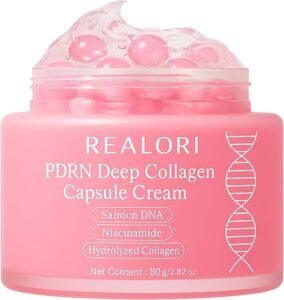
#1

PDRN Regenerating Face Cream

Price$42
Margin58%
DemandHigh
View Product →
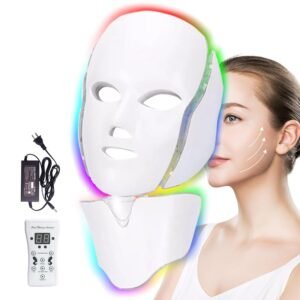
#2

Color LED Light Therapy Face Mask

Price$125
Margin62%
DemandHigh
View Product →
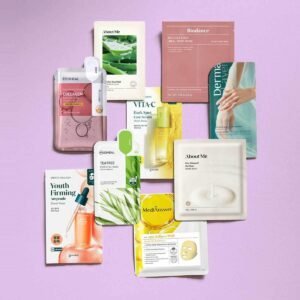
#3

Premium Korean Sheet Mask Set (20-Pack)

Price$35
Margin54%
DemandVery High
View Product →
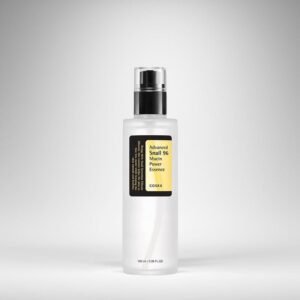
#4

96% Snail Mucin Power Essence

Price$28
Margin52%
DemandVery High
View Product →
#5

Deep Cleansing Balm (Double Cleanse)

Price$32
Margin56%
DemandHigh
View Product →
#6

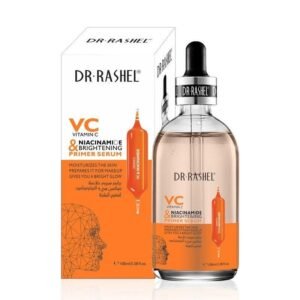
Brightening Vitamin C + Niacinamide Serum

Price$38
Margin55%
DemandVery High
View Product →

🔍 SEO & Keyword Research

Search volume data and keyword opportunities

75
SEO Opportunity Score
🔍2.5MMonthly Searches
MediumSEO Difficulty
💵$2.85Avg. CPC
📈GoodOpportunity
💡
SEO Insight: The K-Beauty niche offers strong SEO potential with over 2.8 million monthly searches across related keywords. While primary commercial keywords face stiff competition from major retailers, there's significant opportunity in educational content, ingredient-focused searches, and problem-solution keywords. The average CPC of $2.85 indicates healthy commercial intent and advertiser competition, making organic rankings valuable for reducing customer acquisition costs.

🎯 Top Keywords to Target

KeywordVolumeDifficultyCPCTrendPriority
korean skincare routine 74000 Medium $3.20 📈 Rising High
k beauty products 49000 Medium $3.45 📈 Rising High
glass skin 40000 Medium $2.90 📈 Rising High
korean face mask 35000 Hard $2.75 📈 Rising High
korean beauty routine 30000 Medium $3.10 📈 Rising High
best korean moisturizer 27000 Medium $3.55 📈 Rising High
double cleanse 22000 Easy $2.45 📈 Rising High
pdrn cream 18000 Easy $4.20 📈 Rising High

🔗 Long-Tail Keywords Low Competition

best korean skincare products for beginners
🔍 3,400/mo Easy
korean skincare for oily skin
🔍 3400/mo Medium
affordable k beauty routine
🔍 2100/mo Easy
korean skincare steps in order
🔍 2100/mo Medium
k beauty glass skin products
🔍 1800/mo Easy
korean skincare for acne scars
🔍 1600/mo Medium
best pdrn serum for anti aging
🔍 1200/mo Very Easy
korean double cleansing method
🔍 1100/mo Easy
how to use korean sheet masks
🔍 980/mo Easy
korean skincare routine for sensitive skin
🔍 890/mo Very Easy

📋 SEO Strategy for This Niche

Content Strategy: Create comprehensive pillar content around “Korean Skincare Routine for [Skin Type]” targeting multiple long-tail variations. Develop ingredient education series explaining PDRN, Centella Asiatica, Snail Mucin, and other K-Beauty actives with scientific backing. Build comparison content (Product A vs Product B, K-Beauty vs Western skincare) to capture commercial intent searches. Produce “How to Use” tutorials for specific product types to capture informational queries with buying intent.

Technical SEO: Implement FAQ schema markup for common skincare questions to capture featured snippets. Use product schema for individual product pages with ratings, price, and availability. Optimize images with descriptive alt text including skin concerns and ingredients. Create video content and embed with proper schema to appear in video carousels. Ensure mobile-first design as 78% of beauty searches happen on mobile devices.

Link Building: Reach out to beauty micro-bloggers (DA 20-40) for guest posting and product review opportunities. Create linkable assets like “Complete Guide to Korean Skincare Ingredients” or “K-Beauty Routine Builder Tool” that naturally attract backlinks. Partner with dermatologists or estheticians for expert quotes and credibility links. Leverage HARO (Help A Reporter Out) to get mentioned in beauty publications. Build relationships with beauty subreddit communities and beauty Discord servers for authentic mentions.

Content Gaps to Exploit: Target men’s K-Beauty content (underserved market segment with growing search volume). Create budget-friendly K-Beauty guides ($50/month routine vs $200/month routine). Develop skin concern-specific content hubs (K-Beauty for Rosacea, K-Beauty for Mature Skin 50+). Cover ingredient combinations and layering guides (what to mix, what to avoid). Produce seasonal content (Winter K-Beauty Routine, Summer SPF Guide).

Local SEO Opportunities: If operating physical location or local pickup, optimize for “k beauty store near me” (8,200 searches/month). Create location pages if serving multiple cities. Build citations in beauty directories and local business listings.

Conversion Optimization: Add user-generated content (reviews, before/after photos) to product pages for trust signals and fresh content. Create quiz funnels (“Find Your Perfect K-Beauty Routine”) that generate long-tail traffic and capture emails. Implement skin concern landing pages that rank for problem-focused searches and funnel to solution products. Use internal linking to guide users from informational content to product pages.

Tracking & Iteration: Monitor keyword rankings for PDRN and emerging ingredient trends to catch waves early. Track competitor content gaps using tools like Ahrefs Content Gap. Analyze Google Search Console for surprising keyword opportunities. A/B test title tags and meta descriptions for CTR optimization. Update content quarterly with new product recommendations to maintain freshness.

Medium Competition

The K-Beauty niche presents moderate competition with a market saturation level of 4.5 out of 10, indicating significant room for new entrants who can differentiate effectively. While established K-Beauty brands like COSRX, Laneige, Innisfree, and The Ordinary dominate certain segments, the market is not overcrowded like generic fashion or accessories categories. Western brands are increasingly adopting K-Beauty principles, and direct-to-consumer indie brands continue to emerge successfully.

New sellers can gain competitive advantages through several strategic approaches: focusing on specific skin concerns rather than broad appeal (niche within niche strategy), creating educational content marketing with tutorials and ingredient breakdowns, establishing authentic Korean sourcing with transparent supply chains, implementing subscription models for recurring revenue, offering personalized skincare consultations, and building strong influencer partnerships with user-generated content.

Key differentiators that win in this space include medical-grade ingredients like PDRN, Centella Asiatica, and snail mucin, dermatologist-backed formulations, clean beauty certifications, unique textures and sensory experiences, and strong brand storytelling around Korean beauty culture. Success comes from positioning around specialization, education, and service quality rather than competing on price alone, as larger platforms have already commoditized generic beauty products.

CompetitorTypeStrengthWeaknessShare
Laneige Big Brand Premium brand with Sephora distribution, iconic Water Sleeping Mask, strong brand recognition, backed by major K-Beauty conglomerate Higher price point limits mass market appeal, less accessible for budget-conscious consumers 12%
COSRX Big Brand Cult-favorite products (Snail Mucin, Acne Patches), strong online presence, affordable pricing, ingredient-focused messaging Limited retail presence, clinical packaging less appealing to mainstream consumers 10%
Innisfree Big Brand Eco-friendly positioning, wide product range, natural ingredients from Jeju Island, competitive pricing Store closures in US, brand awareness declining, overshadowed by newer brands 8%
The Face Shop Amazon Seller Affordable entry-level K-Beauty, extensive product catalog, natural ingredient focus Declining US retail presence, brand perceived as outdated, lost ground to newer competitors 7%

📢 Best Marketing Channels

Where to advertise for maximum ROI.

📶

TikTok Ads & Organic Content

High
CPM$8.5
CPA$25
DifficultyMedium

Focus on before/after transformations, ingredient education in under 60 seconds, partner with micro-influencers (10K-100K followers) for authentic reviews, leverage trending sounds with skincare hooks, create "routine with me" content, use hashtags like #KBeauty #GlassSkin #SkincareRoutine, post 1-2x daily for algorithm favor, engage with comments to boost visibility, film in natural lighting to showcase product texture and skin results, collaborate with skincare creators through TikTok Creator Marketplace for UGC content.

🚀

Instagram Ads & Reels

High
CPM$12
CPA$30
DifficultyMedium

Use carousel ads showing product benefits step-by-step, create aesthetic product flat-lays with lifestyle elements, post Reels 3-5x per week featuring quick tutorials and application demos, leverage Instagram Shopping for direct product tagging, build Stories highlights for skincare FAQs and customer testimonials, collaborate with beauty influencers for sponsored posts ($200-$1,500 per post), use consistent brand aesthetic (clean, minimal, skincare-focused), engage with beauty communities and respond to DMs promptly, run giveaways to build follower base, utilize user-generated content in feed with permission and credit.

🚀

Facebook Ads (Feed & Stories)

Medium
CPM$15
CPA$40
DifficultyHard

Target women 25-45 with interests in skincare, beauty, wellness, and Korean culture, use video ads (15-30 seconds) showing product application and results, create lookalike audiences from customer lists, retarget website visitors with dynamic product ads, test multiple ad creatives weekly (minimum 3-5 variations), leverage Facebook Pixel for conversion tracking and optimization, create Facebook Groups for community building and organic engagement, offer exclusive discounts for page followers, run collection ads showcasing product bundles and routines, A/B test ad copy focusing on skin concerns vs ingredient benefits.

💰 Budget and Requirements

Where to advertise for maximum ROI.

Minimum$3,000
Recommended$8,000
Time to Profit 2-4 months

🎯 Skills Needed

Essential Skills: Ecommerce platform management (Shopify/WooCommerce), basic product photography and photo editing, copywriting for product descriptions and ad copy, customer service and communication, social media content creation (short-form video editing), basic understanding of Facebook/Instagram Ads Manager, email marketing fundamentals, inventory management and order fulfillment coordination.

Helpful Skills: Skincare ingredient knowledge and product formulation basics, influencer outreach and relationship management, SEO and content marketing, graphic design for social media posts and ads, video editing for TikTok and Instagram Reels, Google Analytics and conversion tracking, Facebook Pixel setup and optimization, Photoshop or Canva proficiency for marketing materials.

Skills You Can Outsource: Professional product photography ($300-$800 per shoot), advanced video editing for YouTube content ($50-$200 per video), paid ads management if budget allows ($500-$2,000/month for agency or freelancer), graphic design for branded materials ($25-$100 per design), content writing for blog posts and SEO ($50-$300 per article), customer service representatives as you scale ($3-$8/hour for virtual assistants).

Learning Resources: YouTube channels for ecommerce tutorials (Verum Ecom, Beast of Ecom), Facebook Ads courses (Depesh Mandalia, Ben Heath), Shopify Academy for platform training, beauty industry blogs for product knowledge (Byrdie, Into The Gloss), TikTok Creator Portal for content best practices, Google Skillshop for Google Ads certification.

🛠️ Tools & Software

Ecommerce Platform: Shopify ($39-$399/month) or WooCommerce with hosting ($15-$50/month) – for online store management, payment processing, and order fulfillment tracking.

Website Builder: Elementor Pro ($59/year) if using WordPress, or Shopify’s built-in page builder – for custom landing pages and product pages.

Email Marketing: Klaviyo ($20-$150/month based on contacts) or Mailchimp (free up to 500 contacts) – for automated email sequences, abandoned cart recovery, and customer segmentation.

Design Tools: Canva Pro ($12.99/month) for social media graphics and ad creatives, or Adobe Creative Cloud ($54.99/month) for advanced design and photo editing.

Ad Management: Facebook Ads Manager (free platform) for campaign management, AdEspresso ($49-$259/month) for advanced split testing and optimization.

Analytics: Google Analytics (free) for website traffic analysis, Facebook Pixel (free) for conversion tracking, Hotjar ($39-$99/month) for heatmaps and user behavior analysis.

Customer Support: Zendesk ($19-$99/month per agent) or Gorgias ($10-$750/month) for customer service ticketing, LiveChat ($20-$50/month) for real-time support.

Inventory Management: Oberlo (free-$79/month) for dropshipping, or TradeGecko/QuickBooks Commerce ($39-$599/month) for inventory tracking.

Social Media Management: Later ($18-$80/month) or Hootsuite ($99-$739/month) for scheduling posts, Metricool (free-$199/month) for analytics across platforms.

Video Editing: CapCut (free) for TikTok/Reels editing, Adobe Premiere Pro ($20.99/month) for professional YouTube videos, InShot (free-$3.99) for mobile editing.

Product Research: Google Trends (free) for trend analysis, Jungle Scout ($29-$129/month) for Amazon product research, Sell The Trend ($39-$99/month) for dropshipping product discovery.

SEO Tools: Ahrefs ($99-$999/month) or SEMrush ($119.95-$449.95/month) for keyword research and competitor analysis, Ubersuggest ($29-$99/month) for budget-friendly option.

Project Management: Trello (free-$10/month) or Asana (free-$24.99/month) for task management and team collaboration.

Accounting: QuickBooks ($15-$70/month) or Wave (free) for bookkeeping and expense tracking.

Total Monthly Tool Costs: $150-$400/month (basic setup) or $500-$1,200/month (comprehensive setup).

⚖️ Legal Requirements

Business Registration: Register as LLC, Sole Proprietorship, or Corporation depending on location and scale. LLC recommended for liability protection ($50-$500 formation cost depending on state). Obtain EIN (Employer Identification Number) from IRS (free). Register business name and check trademark availability through USPTO.

Sales Tax Compliance: Register for sales tax permits in states where you have nexus (physical presence or economic nexus thresholds). Collect and remit sales tax based on customer location. Use tools like TaxJar ($19-$699/month) or Avalara for automated tax calculations. Requirements vary by state – some require registration at $100K revenue, others at first sale.

FDA Compliance (Critical for Cosmetics): Cosmetic products must comply with FDA regulations under Federal Food, Drug, and Cosmetic Act. Product labels must include ingredient list in descending order of predominance, manufacturer/distributor information, net quantity of contents, and any required warning statements. Products claiming drug benefits (anti-aging, acne treatment) may require FDA approval as drugs. Register manufacturing facility with FDA if producing in US. Ensure imported products meet US labeling and safety requirements.

Product Liability Insurance: Obtain product liability insurance ($500-$3,000/year) to protect against claims of injury or damage from products. Essential for cosmetics and skincare given direct skin contact and potential allergic reactions. Coverage typically $1-2 million per occurrence.

Terms & Conditions: Create comprehensive terms of service covering return policies, shipping terms, privacy policy (GDPR and CCPA compliant), disclaimer of liability, and dispute resolution. Use legal template services like TermsFeed ($99-$299) or hire attorney ($500-$2,000 for custom terms).

Import Requirements: If sourcing from overseas, comply with US Customs regulations. File Cosmetic Product Ingredient Statement with FDA for imported cosmetics. Ensure products meet US safety standards and labeling requirements. May need customs broker for large shipments ($100-$500 per shipment).

International Shipping Compliance: If shipping to EU, comply with EU Cosmetics Regulation (EC) No 1223/2009 requiring safety assessment and responsible person designation. Canadian shipments must meet Health Canada cosmetic regulations. Each country has specific requirements for cosmetic imports.

Intellectual Property: Ensure product sourcing doesn’t violate trademark or copyright laws. Don’t resell counterfeit goods. If creating private label products, trademark your brand name ($250-$350 per class through USPTO). Consider copyrighting original marketing materials and product descriptions.

Consumer Protection Laws: Comply with FTC regulations on advertising claims. Avoid making unsubstantiated health claims. Disclose material connections with influencers (sponsored posts must be clearly labeled). Follow CAN-SPAM Act for email marketing compliance.

Additional Certifications (Optional but Valuable): Cruelty-free certification through Leaping Bunny or PETA ($0-$2,000 application), Vegan certification ($500-$3,000), Organic certifications like USDA Organic or COSMOS (varies by certifying body), Clean Beauty certifications from organizations like EWG Verified.

Legal Cost Summary: Initial setup $1,000-$5,000 (business formation, basic legal documents, insurance), ongoing compliance $1,000-$3,000/year (insurance renewal, tax compliance, certifications).

⚖️ Pros & Cons

Honest assessment of this niche

✅ Advantages

  • High Profit Margins: Products typically offer 45-60% profit margins with some premium items reaching 70%, allowing healthy business growth and reinvestment in marketing.
  • Repeat Purchase Model: Consumable skincare products require regular replenishment every 30-90 days, creating predictable recurring revenue and high customer lifetime value ($280-$450).
  • Strong Market Demand: $75+ billion market growing at 10.5% annually with rising search interest (+340% over 3 years) and no signs of slowing down.
  • Social Media Friendly: Products are highly visual and perform exceptionally well on TikTok, Instagram, and YouTube with organic viral potential through tutorials and transformations.
  • Evergreen Niche: 70% evergreen demand means consistent sales year-round with seasonal boosts during Q4 gift-giving periods rather than complete dependency on trends.
  • Multiple Revenue Streams: Can monetize through direct sales, subscription boxes, affiliate programs, digital courses on skincare routines, and influencer partnerships.
  • Low Seasonality Risk: Unlike fashion or holiday-specific products, skincare maintains steady demand across all months with only minor seasonal variations.

⚠️ Challenges

  • FDA Regulatory Compliance: Cosmetics face strict regulations requiring proper labeling, ingredient disclosure, safety standards, and potential FDA registration, adding complexity and legal costs.
  • Product Knowledge Required: Need understanding of skincare ingredients, formulations, skin types, and concerns to market effectively and provide credible customer support.
  • Quality Control Concerns: Sourcing from overseas suppliers requires vigilant quality checks to ensure product safety, authenticity, and consistency to avoid customer harm and legal liability.
  • Product Liability Risk: Direct skin contact increases risk of allergic reactions, irritation, or adverse effects requiring comprehensive insurance ($500-$3,000/year) and careful ingredient vetting.
  • Established Brand Competition: Major players like Laneige, COSRX, Sephora, and Ulta dominate high-volume keywords and have significant marketing budgets that dwarf small business capabilities.
  • High Content Creation Demands: Success requires consistent educational content, tutorials, before/afters, and engagement across multiple platforms (TikTok, Instagram, YouTube, blog), demanding time and creative resources.

💡 Success Tips

Expert advice for this niche

1

Start with a Focused Sub-Niche:

Rather than trying to sell all K-Beauty products, focus on a specific skin concern (acne, anti-aging, sensitive skin) or demographic (men's K-Beauty, mature skin 50+) to build targeted authority and reduce competition from generalist brands.

2

Invest in Quality Product Photography:

High-quality images showing product texture, packaging details, and application are essential for conversion in beauty ecommerce. Invest $300-$800 in professional product photography or learn to shoot clean, well-lit images yourself with proper equipment.

3

Build Trust Through Education First:

Create comprehensive content explaining ingredients (what is PDRN, Centella, Snail Mucin), how products work, and realistic timelines for results. Customers who understand products convert better and return less frequently.

4

Leverage User-Generated Content:

Encourage customers to share before/after photos, routine videos, and honest reviews. Offer incentives like 15% off next purchase for submitted content. UGC builds trust faster than any branded marketing and provides endless content for ads.

5

Test Products Yourself:

Personally use every product you sell so you can speak authentically about texture, scent, application, and results. Authentic expertise shows in customer interactions and content creation, building credibility that generic sellers lack.

🏭 Supplier Guide

Where to source products

🇹🇷 Turkey

Manufacturer & Wholesaler

Shipping5-10 days (Express Air), 15-25 days (Standard Air)
MOQ100-300 units per SKU (varies by product)
Price$8-$22 per unit depending on product type

Authentic Korean-manufactured products with certifications. Offers both branded K-Beauty products and private label options. Strong quality control and can provide ingredient documentation for FDA compliance. Slightly higher prices but premium quality. Accepts PayPal and wire transfer. English-speaking sales team. Can customize packaging for orders over 500 units. Response time 24-48 hours.

🇨🇳 China

Manufacturer Direct & Trading Companies

Shipping7-15 days (Air Freight), 25-40 days (Sea Freight)
MOQ 50-200 units per SKU (negotiable with some suppliers)
Price$3-$15 per unit (significantly lower than Korean sources)

Wide variety of K-Beauty inspired products and ingredient dupes. Quality varies significantly by supplier - always order samples first. Look for Gold Supplier status and Trade Assurance protection. Best for budget-conscious brands or testing products before committing to Korean suppliers. Can offer private label and custom formulations with MOQ 1,000+ units. Verify FDA compliance documentation as not all suppliers provide it. Communication can be challenging - use clear English and confirm understanding.

🇮🇳 India

Authorized Distributor & Wholesaler

Shipping3-7 days (DHL Express), 10-20 days (K-Packet Standard)
MOQ20-50 units per SKU (lower MOQ for established brands)
Price $10-$28 per unit for branded products

Carries authentic COSRX, Innisfree, Etude House, Missha, and other major K-Beauty brands. Legitimate authorized distributor with authentication guarantee. Higher prices than manufacturing direct but ensures genuine products. Great for testing market with established brand names before creating private label. Ships worldwide with tracking. English website and customer service. Accepts credit cards and PayPal. No minimum order for sampling purposes.

We Have Spesical Offer

Lorem ipsum dolor sit amet, consectetur adipiscing elit. Ut elit tellus, luctus nec ullamcorper mattis, pulvinar dapibus leo.

Logistic and Shipping Elementor Template Kit

Lorem ipsum dolor sit amet, consectetur adipiscing elit. Ut elit tellus, luctus nec ullamcorper mattis, pulvinar dapibus leo.

support@kavaleri.domain